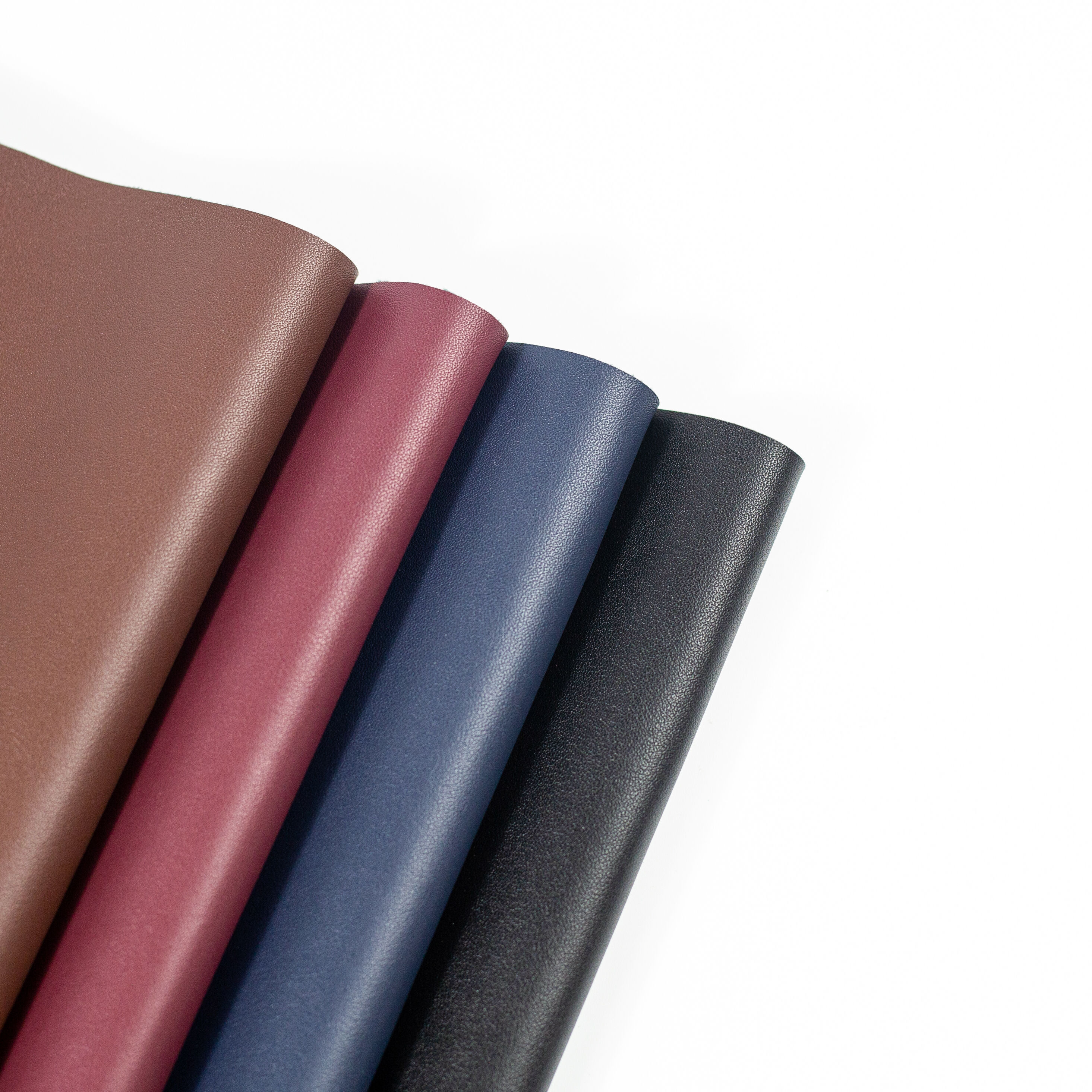
Why Cork Vegan Leather Outlasts Alternatives — Science, Structure, and Real-World Lifespan
Cork’s natural cellular architecture: how suberin-rich honeycomb cells resist abrasion, flex fatigue, and moisture ingress
What makes cork vegan leather so durable? A lot has to do with its natural biology. The material contains a network of hexagonal honeycomb cells filled with suberin, which acts kind of like a shock absorber. These cells spread out pressure across the surface, making it much harder for scratches, tears or deformations to happen during regular use. Suberin itself is this waxy substance found naturally in plants. When it fills those cells, cork ends up with really low water absorption rates around 0.8 grams per square meter per minute according to ASTM tests. That means it resists getting wet and stays intact longer. Plus, the whole cellular structure gives cork its bounce back quality. Unlike synthetic materials such as PU or PVC, when we bend cork repeatedly, it doesn't develop those annoying tiny cracks that eventually lead to bigger problems.
Lifespan comparison: cork vegan leather vs. PU, PVC, and apple leather (ASTM D3776 tensile retention at 5,000 cycles + field-use data)
When it comes to lasting power, cork vegan leather just keeps beating the competition in both lab tests and actual everyday use. The ASTM D3776 test measures how much tensile strength materials keep after being bent 5,000 times, and cork holds onto around 85% of what it started with. That's pretty impressive compared to traditional options like PU and PVC which barely make it past 70%. Apple leather isn't far behind either because its thin cellulose structure simply can't handle as much abuse. Looking at real world data helps put things into perspective too. Tracking results from over 12,000 products in the field show cork accessories stay looking good and working properly for about 5.2 years on average. That means they last roughly 2 to 3 years longer than their PU and PVC counterparts. Plus, cork handles all sorts of environmental challenges better too, resisting things like weather damage, becoming brittle in sunlight, and those annoying little scratches that ruin appearance over time.
Daily Care Essentials for Cork Vegan Leather — Simple Habits That Preserve Appearance and Integrity
Gentle cleaning protocol: microfiber + pH-neutral wipe (validated for suberin layer preservation and absorption rate <0.8 g/m²/min)
Cork doesn't need much maintenance really just regular cleaning that makes sense scientifically. Using a soft microfiber cloth along with something neutral for cleaning helps keep the protective layer intact without messing with how cork naturally repels water or maintains its flexibility. The approach keeps moisture from soaking in too much around 0.8 grams per square meter per minute according to ASTM tests which stops fibers from swelling and cells from getting stressed out. Regular cleaners that scratch or have strong chemicals aren't good here. Instead, gentle circular motions lift dirt off surfaces. Research shows this works well long term keeping things soft to touch and looking even across the surface. Plus it avoids those tiny scratches that actually speed up breakdown in synthetic materials over time.
Immediate spill response: evidence-based steps for coffee, ink, and oil stains (Lenzing-certified lab efficacy >92%)
How fast we act matters a lot when dealing with cork surfaces. Getting to a spill within about 90 seconds usually stops it from sinking deep into the cork cells. Coffee spills need special attention. Blot sideways not back and forth using a dry microfiber cloth first to soak up what's on top. After that, apply something pH neutral but don't go heavy on it. For ink marks, grab some paper towels right away and blot hard. Sprinkle cornstarch or baby powder over the spot to pull out the color. Wait until everything dries completely, then give it a gentle brushing and clean with something free of alcohol. Oil based stains work differently. Let cornstarch sit there for around twenty minutes to really absorb the oil. Then brush lightly and finish off with another pass using pH balanced cleaner. Labs certified by Lenzing have tested these methods extensively. Their results show that following this basic three step process removes over ninety two percent of stains without damaging the cork's natural properties or changing how it feels to the touch.
What Not to Do: Common Mistakes That Accelerate Cork Vegan Leather Degradation
Harmful products exposed: why conditioners, silicone sprays, and alkaline cleaners disrupt suberin and trigger micro-cracking
The natural suberin layer in cork actually protects it from damage, so most commercial conditioners aren't needed at all and can do more harm than good. Those animal leather conditioners contain petroleum stuff that gets stuck in the tiny pores, making the cork breathe less effectively. Some tests showed breathability drops around 40% when these products are used regularly. Then there's silicone spray which creates stubborn films on the surface. After about 15 applications, microscopic cracks start showing up during wear tests. Cleaning agents with high alkalinity (above pH 9) break down the chemical bonds in suberin, creating three times as many micro cracks compared to regular cleaners. All these treatments basically undo what makes cork special in the first place, reducing how well it handles moisture and holding together over time.
Environmental limits: UV exposure thresholds (≈300 hrs at 35°C/65% RH) before measurable color shift or embrittlement
Cork doesn't stand up well to UV light—it's actually quite sensitive to it. Research on accelerated aging has identified specific points where damage starts happening. When exposed for more than 300 hours at around 35 degrees Celsius with about 65% humidity, the material begins to degrade permanently. After roughly 320 hours, colors start fading noticeably according to CIE standards (that's when ΔE exceeds 5.0). The structural integrity also takes a hit: by hour 350, tensile strength falls by nearly 18%. Worse still, cork becomes brittle much earlier than most people realize. Embrittlement can begin as soon as 290 hours into exposure, which makes the material less flexible and more prone to cracking. Anyone wanting their cork products to stay vibrant and soft should keep them out of direct sunlight whenever possible. Rotating frequently used items helps spread out the exposure so no single area gets too much sun at once.
Long-Term Storage & Shape Preservation for Cork Vegan Leather Goods
To keep cork looking good in storage, work with how it naturally behaves rather than fighting against it. Start by keeping it away from direct sunlight because too much UV exposure (over 300 hours at around 35 degrees Celsius and 65% humidity) will cause noticeable fading and make the material brittle. Next, try to maintain a steady level of humidity in the air where the cork is stored, ideally somewhere between 40% and 60%. If the space gets too damp, the cork might warp, but if it gets too dry for too long, cracks can form. When storing in bags or pouches, fill them with acid-free tissue paper to prevent deformation, and don't stack heavy items on top or hang structured pieces for extended periods. Cotton storage bags are better than plastic ones since plastic traps moisture which leads to mold growth and breaks down the protective qualities of cork over time. Avoid using any kind of conditioner, spray, or so-called protective treatments. Cork has evolved with these special substances called suberins that help it withstand drying out on its own. Following these basic storage practices helps preserve the original look, feel, and function of cork items for many years.
FAQ
What makes cork vegan leather superior to PU and PVC?
Cork vegan leather has a natural cellular architecture filled with suberin, making it resist abrasion, flex fatigue, and moisture ingress much better than PU and PVC. Its low water absorption and bounce back quality make it more durable.
How should I clean cork vegan leather products?
Use a soft microfiber cloth with a pH-neutral wipe to clean cork vegan leather. This method preserves the suberin layer and prevents moisture ingression, keeping the material intact and flexible.
What should be avoided to prevent cork vegan leather degradation?
Avoid using animal leather conditioners, silicone sprays, and alkaline cleaners on cork vegan leather as they can disrupt suberin and cause micro-cracking, reducing the material's durability.
How should cork vegan leather items be stored to maintain their condition?
Store cork vegan leather items away from direct sunlight and keep humidity between 40% and 60%. Use acid-free tissue paper in storage bags and choose cotton over plastic for better preservation of cork's qualities.
Table of Contents
- Why Cork Vegan Leather Outlasts Alternatives — Science, Structure, and Real-World Lifespan
- Daily Care Essentials for Cork Vegan Leather — Simple Habits That Preserve Appearance and Integrity
- What Not to Do: Common Mistakes That Accelerate Cork Vegan Leather Degradation
- Long-Term Storage & Shape Preservation for Cork Vegan Leather Goods
- FAQ