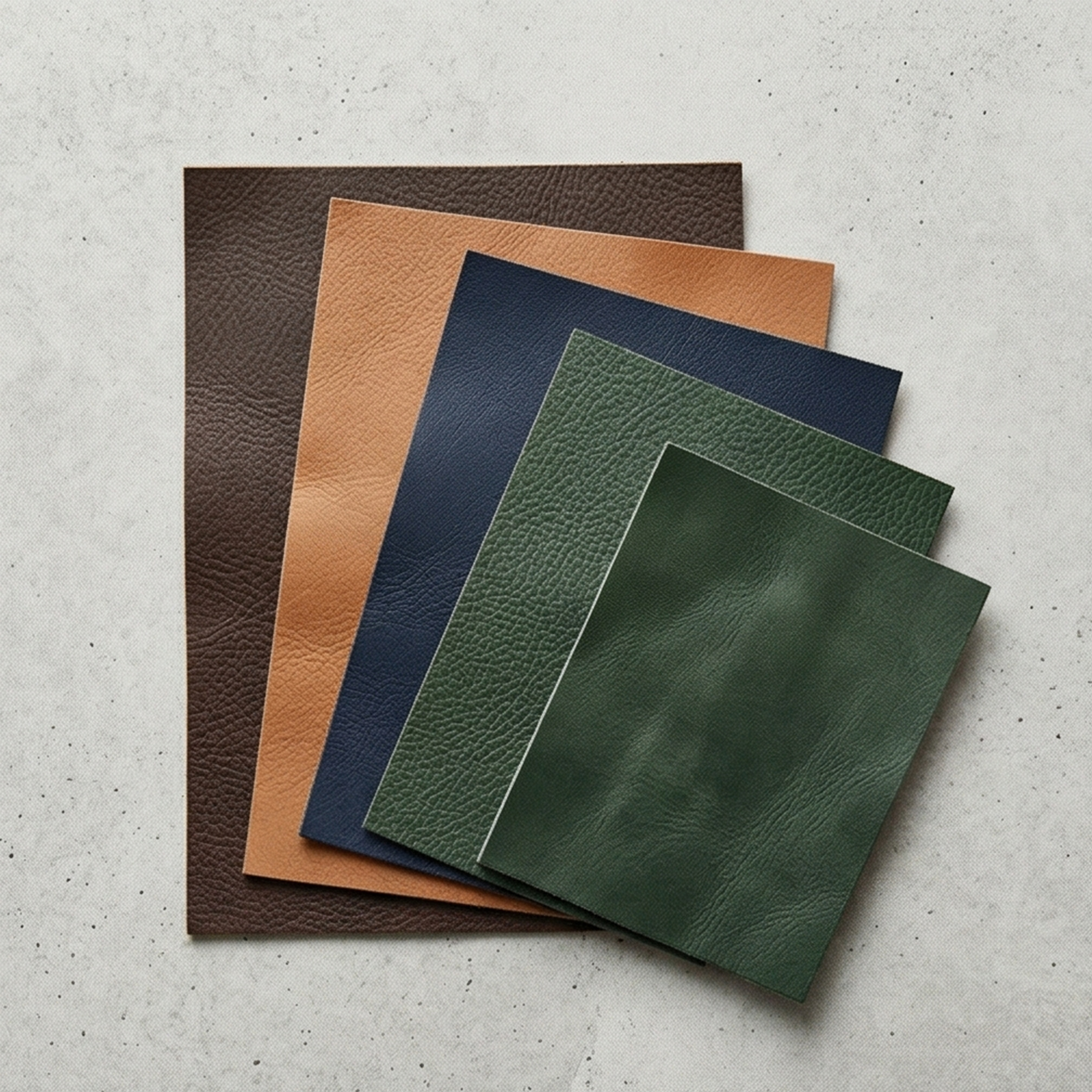
Მასალების მოძიების ევოლუციური ლანდშაფტი
Იმ ეპოქაში, როდესაც გარემოს დაცვა უკვე არ არის ლუქსი, არამედ ბიზნესის ძირეული მოთხოვნილება, ინოვაციური მასალების მოთხოვნა არეგულირებს მსოფლიო მომწოდებლების ჯაჭვებს. ავტომობილების, მოდისა და სასტუმროების ინდუსტრიებში მომუშავე ბრენდები არ იყენებენ უკვე ტრადიციულ და რესურსებით მომხმარებელ პროცესებს, არამედ გადადიან უფრო წრიულ ალტერნატივებზე. ამ გადასვლის ცენტრში მდებარეობს სანდო რეციკლირებული ტყავის წარმოებლის ძებნა — პარტნიორის, რომელიც შეუძლის გამოყენებული მასალის გადაქცევას მაღალი ეფექტურობის, გამძლე და ესთეტიკურად უმაღლესი ხარისხის პროდუქტებად. ამ სფეროში მოძრაობა მოითხოვს უფრო მეტს, ვიდრე ჩვეულებრივი ძებნა; ეს მოითხოვს ღრმა ტექნიკურ დამტკიცებას, რათა დარწმუნდეს, რომ არჩეული მასალა ემთხვევა როგორც მომხმარებლის მოლოდინებს, ასევე თანამედროვე წარმოების მკაცრ უსაფრთხოების სტანდარტებს.
Ტექნიკური სრულყოფილება, როგორც შესრულების მაჩვენებელი
Პოტენციური პარტნიორების შეფასებისას ძირითადი მეტრიკა ყოველთვის უნდა იყოს ტექნიკური სითანხმოვნე. მაღალი ხარისხის რეციკლირებული ტყავის წარმოებლის მოქმედება უნდა მოხდეს მასალების მეცნიერებისა და სიზუსტის ინჟინერიის გადაკვეთაში. ბოჭკოების ხელახლა დაკავშირების პროცესი მოიცავს რთულ ქიმიურ და მექანიკურ მოქმედებებს, რომლებიც უნდა იყოს მკაცრად კონტროლირებული დურაბელობის, გამოყოფის ძალის და ფერის მდგრადობის უზრუნველყოფასთან დაკავშირებით. ახალგაზრდა საწარმოები ახლა იყენებენ საერთაშორისო დონის დაკავშირების საშუალებებს და გარემოს დაცვის მიზნით შემუშავებულ საფინიშო მასალებს, რათა საბოლოო პროდუქტი მიაღწიოს ბუნებრივი ტყავის ხელის შეგრძნებასა და გრძელვადი მდგრადობას. მოლეკულურ დონეზე მასალების ანალიზის გამოყენებით საუკეთესო წარმოების ადგილები შეძლებენ გარანტირებას, რომ მასალის ყოველი ბათქო იძენს იდენტურ ფიზიკურ მახასიათებლებს. ეს ტექნიკური მეთვალყურეობა უარყოებელია, რადგან ის თავიდან არიდებს პროდუქტის დეგრადაციას და მინიმიზაციას ახდენს იმ ძვირადღირებულ დაბრუნებებს, რომლებიც ხშირად არიან ნაკლებად გამოცდილი მომწოდებლების პროდუქტების მიერ.
Სავაჭრო ღირებულების განხორციელება მიწოდების ჯაჭვის სინერგიის მეშვეობით
Პროფესიონალური რეციკლირებული ტყავის წარმოებლის თანამშრომლობის სტრატეგიული მნიშვნელობა გაცილებით აღემატება სუფთა ერთეულობრივ ფასს. ნამდვილი საინდუსტრიო პარტნიორი მოქმედებს როგორც შიდა პროდუქტის განვითარების გუნდის გაგრძელება, მოწოდებს ინსაიდერულ ინფორმაციას მასალის თავსებადობასა და წარმოების შესაძლებლობებზე. ეფექტური თანამშრომლობა მოიცავს პროაქტიულ მომარაგების ჯაჭვის მართვას, სადაც მომარაგებელი წინასწარ იგრძნობს შესაძლო შეზღუდვებს — მაგალითად, საწყისი მასალების ხელმისაწვდომობაში მომხდარი ცვლილებებს — სანამ ისინი წარმოების ხაზზე გავლენას მოახდენენ. მწარმოებლები მოწოდებენ მოქნილობას, რომელიც საშუალებას აძლევს მომხმარებლის კონკრეტულ სეზონურ ციკლებსა და დიზაინის მოთხოვნებს შესაბამისად მოარგონ წარმოების მოცულობას, რაც საშუალებას აძლევს მომხმარებლის სამართლიანი მომხმარებლის ბაზარზე წარმატებით მოქმედებას. ამ ღრმერთად ინტეგრირებული მიდგომა ეფექტურად ამცირებს ბაზარზე გასვლის დროს და ოპტიმიზაციას ახდენს საწყობის ხარჯებს, რაც შედეგად ქმნის კონკურენტულ უპირატესობას, რომელიც პირდაპირ აისახება საბოლოო შედეგზე.
Რეალური სამყაროს გამოყენებები და ინდუსტრიის ინსაიტები
Გაითვალისწინეთ ავტომობილების შიგნით და caრგი ხარისხის მომხმარებლის საქონლის საფარების მნიშვნელოვანი გადასვლა მდგრადობაზე დაფუძნებული, მაგრამ მაღალი ეფექტურობის მქონე საფარებისკენ. მონაცემები აჩვენებს, რომ ბრენდები, რომლებიც არჩევენ მაღალი ხარისხის რეციკლირებულ მასალებს, აღინიშნავენ მომხმარებლის მაღალ კმაყოფილებას, რომელიც მასალის სტრუქტურული მტკიცებულების შენარჩუნების პირობაში ხდება. რეალურ გამოყენებაში, მაგალითად, მძიმე დატვირთვის სასხდომებში ან პრემიუმ ელექტრონული მოწყობილობის კორპუსებში, საერთო მასალასა და ექსპერტის მიერ შემუშავებული რეციკლირებული ტყავის მასალას შორის ეფექტურობის სხვაობა მკაფიოა. ბოლო მასალა მიაწოდებს აუცილებელ დოკუმენტაციას, მაგალითად, ცხოვრების ციკლის შეფასებებს და დამოუკიდებელ ხარისხის ანგარიშებს, რომლებიც ბრენდის გამჭვირვალობის შენარჩუნებისთვის მნიშვნელოვანია. ეს დოკუმენტები ადასტურებენ, რომ მასალა არ არის მხოლოდ გარემოს მიმართ უსაფრთხო, არამედ შეძლებს მოერგოს მოდერნული მომხმარებლების მიერ მოთხოვნილ მძიმე მექანიკურ მოთხოვნებს.
Საერთო პარტნიორობის შეფასების ძირეული მაჩვენებლები
Სარეციკლირებლად მომზადებული ტყავის წარმოების პარტნიორზე ნდობა იქმნება გამჭვირვალობასა და შემოწმებადი სამუშაო მონაცემებზე. როდესაც შეაფასებთ სარეციკლირებლად მომზადებული ტყავის წარმოების პოტენციურ მწარმოებელს, ძებნეთ ISO სერტიფიკატები და სრული ხარისხის უზრუნველყოფის პროტოკოლები, რომლებიც მთელი საწარმოს მართავენ. ასევე მნიშვნელოვანია მათი მიერ უწყვეტი ინოვაციების მიმართ გამოხატული სიმკაცრე. კომპანია, რომელიც საკუთარ კვლევის ლაბორატორიებში და პილოტურ წარმოების ხაზებში მნიშვნელოვნად ინვესტირებს, მნიშვნელოვნად უკეთ არის მომზადებული თქვენს ბრენდს ერთად გაფართოების მოთხოვნილებების მატების შემთხვევაში. გაიგეთ მათი წარმატებული გამოცდილობა სხვადასხვა სამრეწლო დარბაზში; პარტნიორი, რომელიც წარმატებით მომსახურებს როგორც ავტომობილების, ასევე ლაქსური მოდის სექტორებს, აჩვენებს საჭიროებულ მრავალფუნქციურობას და ინჟინერიულ სიკარგას, რათა თქვენს კონკრეტულ პროდუქტულ შეზღუდვებს შეესაბამებოდეს. ნამდვილად გამჭვირვალობას მომხმარებლის მიმართ მიდგომის მქონე პარტნიორი ყოველთვის მოერიდება მასალის მომარაგების და დამუშავების მეთოდების შესახებ სიღრმისეული საუბრის.
Მომავლის შექმნა მწვანე ციკლით
Წარმოებაში სანდოობა ნებისმიერი წარმატებული პროდუქტის გაშვების ძირითადი საფუძველია. სტრატეგიული პარტნიორობები არის ინოვაციების კატალიზატორი, რომელიც აბსტრაქტულ დიზაინის კონცეფციებს იქცევს შეხედვად და ბაზარზე მზად არსებულ საქონელად, რომელიც ინდუსტრიის ტენდენციებს განსაზღვრავს. Green Cycle წლების მანძილა მისცა მაღალი ტექნოლოგიური მასალების ინჟინერიისა და ეფექტური მომარაგების ჯაჭვის მართვის რთული ბალანსის მასტერობას. სიზუსტის, გამძლეობის და მასშტაბირებადობის პრიორიტეტით სრული ციკლის წარმოების ამოხსნების მომარაგებით კომპანია უზრუნველყოფს ბრენდებს წრიული ეკონომიკის გამოწვევების უფრო დამაჯერებლად გადალახვას. Green Cycle-ის მსგავსი სპეციალისტთან პარტნიორობა ყველაზე ეფექტური გზაა ბაზარზე ლიდერობის პოზიციის დამაგრებისთვის და უზრუნველყოფს ყველა მიწოდებული პროდუქტის უმაღლესი შესაძლო ხარისხის სტანდარტს და თქვენს მსოფლიო მომხმარებელთა ბაზის მოლოდინებს აღემატებას.