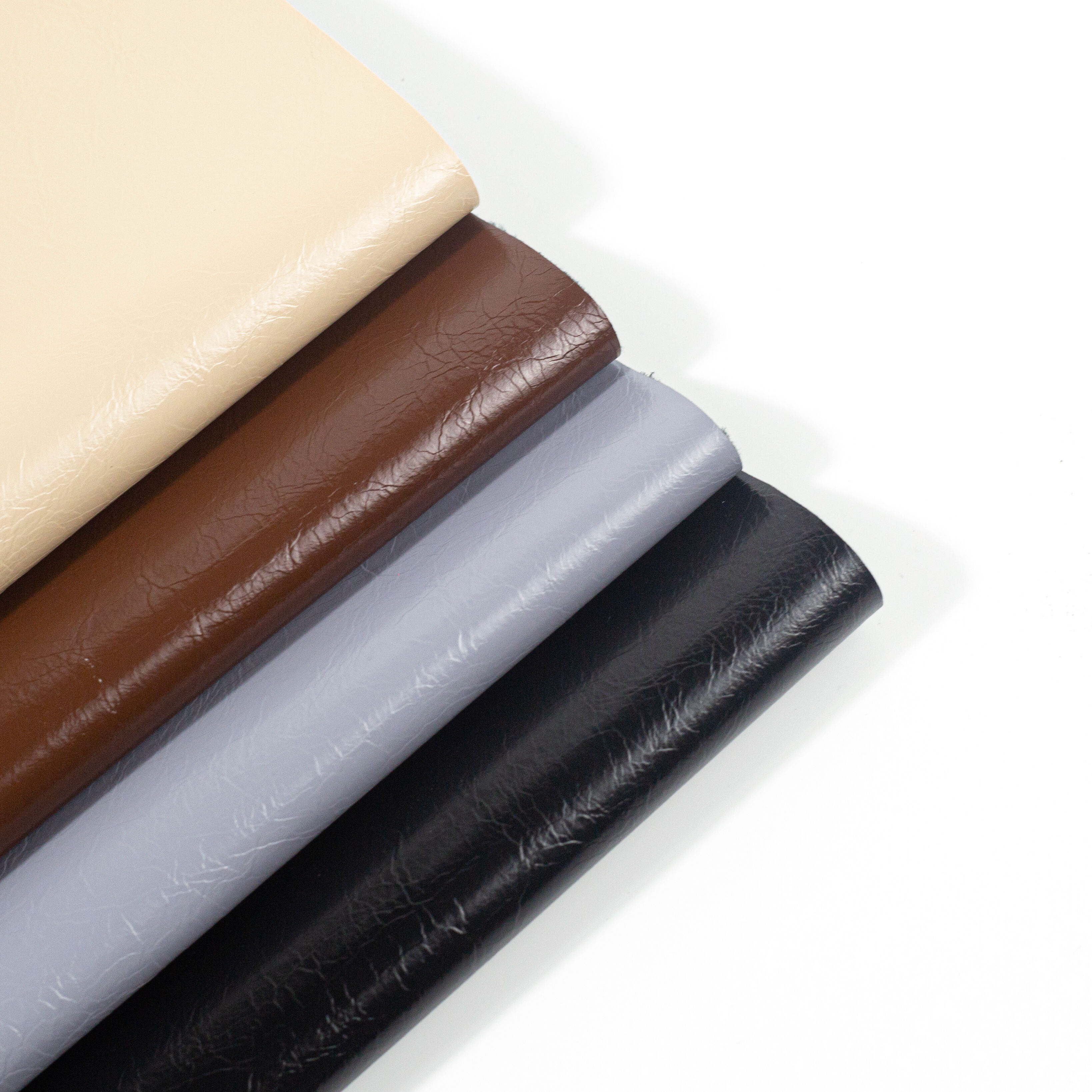
Premium Vegan Derinin Yaşlanması Nasıl Gerçekleşir: Bozulma Nedenleri ve Malzeme Bilimi Temelleri
Neden Çatlama ve Soyulma Oluşur: Oksidasyon, UV Maruziyeti ve Plastikleştirici Göç
Premium malzemelerden üretilen vegan deri, üç ana şekilde bozulma eğilimi gösterir: Oksidasyon, oksijenle temas ettiğinde gerçekleşir; UV ışığından kaynaklanan hasar oluşur; ayrıca içeriğindeki yumuşatıcılar zamanla dışarıya doğru hareket eder. Hava ile temas ettiğinde malzemenin kimyasal bağları yavaş yavaş zayıflar ve bu da her şeyi daha az sağlam hale getirir. Güneş ışığı bu süreci büyük ölçüde hızlandırır; doğrudan güneş altında yalnızca yaklaşık altı ayda renkler solmaya ve yüzeyler kırılganlaşmaya başlar. Ancak en büyük sorun, deriyi yumuşak tutan plastikleştiricilerden kaynaklanır. Bu maddeler, malzemenin içinde iki ila beş yıl içinde yerlerinden ayrılarak dışa doğru göç eder; bu da derinin tüm esnekliğini kaybetmesine ve özellikle el çantalarının askı kayışları veya ayakkabıların burun bölgeleri gibi sık bükülen kısımlarda çatlaklara neden olur. Sıcaklık da önemlidir. Sıcaklık 30 °C’yi (yaklaşık 85 °F) aştığında bu göç işlemi neredeyse yarı oranında hızlanır. Ayrıca nem oranı %30’un altına düştüğünde hava kurur ve yüzey gerginleşerek zamanla yayılan küçük çatlaklar oluşturur.
Polimer Farklılıkları Önemlidir: Gerçek Dünya Dayanıklılığında PU, PVC ve Biyotabanlı Matrisler (örn. AppleSkin, Desserto)
Malzemelerin hangi maddelerden yapıldığı, gerçek kullanım koşullarında ne kadar dayanıklı olduklarını doğrudan etkiler. Örneğin poliüretan, aşınmaya ve yırtılmaya oldukça dayanıklıdır; ancak özellikle nemli ortamlarda uzun süre nemle temas halindeyken bozulmaya eğilimlidir. PVC ise suya maruz kalma konusunda çok iyi performans gösterir; ancak soğuk havalarda kullanan herkes bilir ki sıcaklık yaklaşık 50 °F (10 °C) altına düştüğünde oldukça sertleşir ve bu nedenle kış aylarında kullanımı daha az pratik hâle gelir. Bununla birlikte yeni nesil bitki kökenli alternatifler giderek dikkat çekmeye başlamıştır. Desserto tarafından üretilen kaktüs derisi, doğal lifleri sayesinde binlerce kez ileri geri büküldükten sonra bile esnekliğinin yaklaşık 10 üzerinden 8’ini korur. Ayrıca elma artıklarından üretilen AppleSkin, güneş hasarına karşı normal petrolden üretilen deriye kıyasla yaklaşık %30 daha uzun süre dayanır ve solma belirtileri göstermeden önce daha uzun bir ömür sunar. Bu farklar, malzemenin günlük yaşamda karşılaşacağı ortama bağlı olarak büyük önem taşır.
| Malzeme Türü | Ortalama ömür | Birincil arıza modu | Sıcaklık Duyarlılığı |
|---|---|---|---|
| Standart PU | 2–3 yıl | Kenar kabarcığı | Yüksek (>24°C/75°F) |
| Takviyeli PVC | 4–5 yaş | Yüzeyde Çatlamalar | Aşırı (<7°C/45°F) |
| Biyokompozit | 3–5+ yıl | Renk geçişi | Orta derecede |
Ayakkabı için takviyeli PU veya aksesuarlar için biyo-kompozitler gibi uygulamaya uygun malzeme seçimi, fonksiyonel ömrü %60’tan fazla uzatabilir.
Uzun Vadeli Performans İçin Doğru Premium Vegan Deri Seçimi
Ömür Karşılaştırması: Mantar Miyelyumu, Kaktüs Derisi ve Yüksek Kaliteli PU Karışımları (Doğru bakım ile 2–5+ yıl)
Ömür, farklı türler arasında gerçekten değişir premium vegan deri piyasada bulunan seçenekler. Mantar tabanlı malzemeler harika yumuşaklık sunar ve zamanla doğal olarak parçalanır; ancak düzenli kullanım ve aşınmaya maruz kalındığında genellikle 2 ila 3 yıl dayanırlar. Desserto gibi kaktüs derisi, iyi nefes alabilme özelliği gösterir ve çoğu malzemeye kıyasla nemi daha iyi yönetir; bu nedenle genel olarak hizmet ömrü yaklaşık 3 ila 4 yıldır. Yüksek kaliteli poliüretan karışımları ise tamamen farklı bir konudur. Özel çapraz bağlı polimer yapıya sahip ve UV koruma kaplamalı olanlar, uygun şekilde bakıldığı takdirde genellikle beş yılı aşabilir. İlginç olan, her malzemenin bakım rutinlerine karşı farklı tepkiler vermesidir. Örneğin mantar derisi nazik temizleme yöntemleri gerektirirken, kaktüs türevi malzemeler hasar görmeden daha güçlü tedavilere dayanabilir.
Malzemenin Kullanım Amacına Uygun Seçimi: Çantalar, Ayakkabılar ve Döşeme İçin Kullanım Rehberi
Doğru malzemenin seçilmesi, işlevsel gereksinimlerle başlar:
- Ayakkabılar esneklik direncini ve nefes alabilirliliği önceliklendirin—kaktüs derisinin doğal gözenekliliği, bu amaçlar için oldukça uygundur.
- Çantalar ve sırt çantaları günlük kullanım ve temas yüzeylerinden kaynaklanan aşınmaya dayanıklı PU karışımları seçin.
-
Döşeme güneş ışığına maruz kalan ortamlarda, mekanik dayanıklılıktan daha önemli olan solmaya karşı direnç sağlayan UV kararlı seçenekleri—örneğin miselyum derisi—tercih edin.
Her zaman belirli kullanım alanınız için uygunluğunu doğrulamak amacıyla üretici tarafından sağlanan test verilerine—Martindale aşınma sayısı, ışığa dayanıklılık derecelendirmeleri (ISO 105-B02) ve soğukta esneklik performansı gibi—başvurun.
Premium Vegan Deri İçin Güvenli ve Etkili Bakım Uygulamaları
Yapılmaması Gerekenler: Neden Geleneksel Deri Korumaları PU/PVC yüzeylere zarar verir?
Düzenli deri bakım ürünleri, sentetik veya bitkisel kökenli vegan deriler üzerinde iyi çalışmaz. Gerçek hayvan derisi için tasarlanan yağlar ve mumlar, PU ve PVC gibi malzemelerdeki minik gözenekleri tıkayarak nemin doğru şekilde geçmesini engeller. Bu durum, plastikleştiricilerin yüzeye normalden daha hızlı çıkmasına neden olur ve zamanla çatlaklara yol açar. Alkol veya amonyak içeren temizlik maddeleri, bu polimerlerin temel yapısını bozmaya eğilimlidir. Ayrıca yüzeyde su itici özellikte kalıntı bırakan silikon bazlı cilalar da vardır. Bu kalıntılar, kaplamaların doğru şekilde tutunmasını zorlaştırır ve malzemenin stres altında daha kolay hasar görmesine neden olabilecek zayıf noktalar oluşturur.
| Yanlış Bakım Uygulaması | Kimyasal Etki | Oluşan Hasar |
|---|---|---|
| Hayvan kaynaklı bakım ürünleri | Yağ doygunluğu | Kaplama soyulması |
| Alkollü temizlik maddeleri | Polimer parçalanması | Yüzey Aşınması |
| Mum bazlı cilalar | Yapıştırıcı Müdahalesi | Stres noktalarında çatlama |
Sınıfının En İyileri Çözümler: Esneklik ve Cila Bütünlüğü İçin Su Bazlı Balmumları vs. Soğuk Pres Yağları
Su bazlı balsamlar, pH nötr nemlendirme sağlar ve herhangi bir kalıntı birikimi bırakmaz; bu da kaplamaların bütünlüğünü korumaya ve UV ışınlarına maruz kalırken sararmalarını önlemeye yardımcı olur. Bu ürünler, yüzey parlaklığını bozmadan malzemelere nazikçe nüfuz eder ve aynı zamanda esnekliği korur. Çevre dostu malzemelerle çalışırken soğuk preslenmiş macadamya yağı ve jojoba yağı, Desserto kaktüs derisi gibi bitkisel alternatiflerle mükemmel uyum sağlama özellikleriyle öne çıkar. Bu yağların özel yanı, kaybedilen plastikleştiricileri zamanla yavaşça yerine koymalarını sağlayan hafif yapılarıdır. Ayrıca, oksidasyon hasarına karşı koruyucu tabakalar oluştururlar ve 2024 yılında Material Science Quarterly dergisinde yayımlanan çalışmalar, işlenmiş yüzeylerin, hiçbir işlem uygulanmaması durumuna kıyasla yırtılmaya karşı direncinin yaklaşık %40 daha iyi olduğunu göstermiştir. Özellikle aşınmaya ve yıpranmaya çok maruz kalan ürünlerle (örneğin ayakkabılar) çalışan kişiler için, öncelikle su bazlı bir koruyucu uygulamak ve ardından belirli yağlarla işlem yapmak, uzun vadeli esnekliği korumak açısından en iyi sonuçları verir.
Premium Vegan Deri Uzun Ömürlülüğünü Tehdit Eden Çevresel Faktörlerin Kontrolü
Malzemelerin ömrü, çevresel faktörlerden oldukça fazla etkilenir. Örneğin UV radyasyonu, pigmentleri kalıcı olarak bozar ve polimer zincirlerini parçalar. Güneş ışığından korunmadan dış ortamda bırakılan ürünlerde, yalnızca yaklaşık altı ay sonra solma ve kırılganlaşma gibi sorunlar sıkça gözlemlenir. Aşırı sıcaklık da önemlidir; sıcaklık 104 °F’yi (40 °C) aştığında plastikleştiriciler malzemeden hızla dışarı çıkar. Dondurma sıcaklıklarının altındaki soğuk hava, biyolojik olarak parçalanabilen malzemelerde mikroskobik çatlaklara neden olur çünkü polimerler artık serbestçe hareket edemez. Nem de başka bir büyük endişe kaynağıdır. Hava nem oranı uzun süre %70’in üzerinde kalırsa küf oluşmaya başlar ve malzemeler su hasarı nedeniyle zayıflar. Bunun tam tersine, %30’un altında çok kuru koşullar yüzeylerin kurumasına ve malzeme yapısı içinde gerilim oluşmasına yol açar. Ürünlerin daha uzun süre dayanmasını sağlamak için, sıcaklığın yaklaşık 15–25 °C arasında, nem oranının ise %40–50 civarında olduğu ortamlarda saklanması mantıklıdır. Silika jeli paketleri, kapalı konteynerlerin içine konulduğunda oldukça etkilidir. Ürünleri sergilemek içinse UV ışınlarını engelleyen özel pencere filmleri kullanmak büyük ölçüde yardımcı olur. Sergilenen nesneleri üç ayda bir döndürmek, tüm yüzeylerin benzer düzeyde ışık maruziyeti görmesini sağlar. Bazen risklere rağmen ürünleri dış ortama yerleştirmek zorunda kalınabilir. Bu durumda, titanyum dioksit nanopartikülleri içeren bitkisel koruyucu kremler uygulamak oldukça etkili görünmektedir. Bağımsız testler, bu ürünün korunmayan yüzeylere kıyasla UV penetrasyonunu neredeyse %92 oranında azalttığını göstermiştir.
Sürdürülebilir Premium Vegan Deri Kalitesi İçin Proaktif Bir Bakım Sistemi
Premium vegan deriyi korumak, bilimsel temelli, proaktif bir yaklaşımı gerektirir—reaktif çözümler değil. Yapılandırılmış bir bakım sistemi, kümülatif bozulma yollarını engeller ve ürün ömrünü 2–5+ yıl uzatır.
3 Kademeli Rutin: Haftalık Hafif Temizlik, Üç Aylık Koşullandırma, Yıllık Koruyucu Tekrar Uygulama
Bu evreli protokol, yaşlanma sürecinin her aşamasında ortaya çıkan tehditleri ele alır:
Haftalık Hafif Temizlik çevresel kirleticileri—toz, tuzlar, cilt yağlarını—polimer matrisine nüfuz etmelerinden veya oksidasyonu katalizlemelerinden önce uzaklaştırır. pH nötr, anyonik olmayan temizleyicilerle tüysüz mikrofiber bezler kullanın. Sebum birikimi plastikleştirici yer değişimini hızlandırdığı için yüksek temas bölgelerine (saplar, kayışlar, burun kısımları) odaklanın.
Üç Aylık Koşullandırma plastikleştirici göçünü doğrudan azaltır—çatlama oluşumunun baskın nedeni. Su bazlı balsamları esnek bölgelere (ayakkabı kıvrımları, çanta yan kesimleri) az miktarda uygulayın; PU/PVC gözenek yapısını bozan ve delaminasyonu hızlandıran petrol bazlı yağlardan kaçının.
Yıllık Koruyucu Yeniden Uygulama çevresel etkilere maruz kalma sonucu aşınan, kurban olan UV ve suya dayanıklı üst kaplamaları yeniler. Çizgilenmeyi önlemek ve tam çapraz bağlanmayı sağlamak için dolaylı ışık altında eşit şekilde uygulayın.
| Bakım Seviyesi | Temel işlev | Kritik Kaçınılması Gerekenler |
|---|---|---|
| Haftalık temizlik | Kirliliğin giderilmesi | Aşındırıcı ovma |
| Üç Aylık Koşullandırma | Plastikleştirici Takviyesi | Petrol bazlı yağlar |
| Yıllık Koruma | Bariyer Onarımı | Eşitsiz uygulama |
Tutarlı uygulama, rutin bakım yerine ölçülebilir varlık korumasına dönüştürerek, rastgele bakım yöntemlerine kıyasla değiştirme sıklığını %40 oranında azaltır.
SSS
Vegan derinin ana zayıf yönleri nelerdir?
Vegan deri, oksidasyona, UV hasarına ve plastikleştirici göçüne eğilimlidir; bu da çatlama ve esneklik kaybına neden olur.
Vegan derinin ömrünü nasıl uzatabilirim?
Hafif temizlik, üç aylık bakım uygulamaları ve yıllık koruyucu yeniden uygulamalarını içeren proaktif bir bakım sistemi uygulayın.
Geleneksel deri bakım ürünleri vegan deri için uygundur mu?
Hayır, geleneksel bakım ürünleri vegan deriyi tıkayarak ve bozulmasını hızlandırarak zarar verebilir.
Vegan deri seçerken nelere dikkat etmeliyim?
Malzemenin dayanıklılığını, esnekliğini, sıcaklık hassasiyetini ve amaçlanan kullanım alanına uygun ömrünü göz önünde bulundurun.
İçindekiler Tablosu
- Premium Vegan Derinin Yaşlanması Nasıl Gerçekleşir: Bozulma Nedenleri ve Malzeme Bilimi Temelleri
- Uzun Vadeli Performans İçin Doğru Premium Vegan Deri Seçimi
- Premium Vegan Deri İçin Güvenli ve Etkili Bakım Uygulamaları
- Premium Vegan Deri Uzun Ömürlülüğünü Tehdit Eden Çevresel Faktörlerin Kontrolü
- Sürdürülebilir Premium Vegan Deri Kalitesi İçin Proaktif Bir Bakım Sistemi