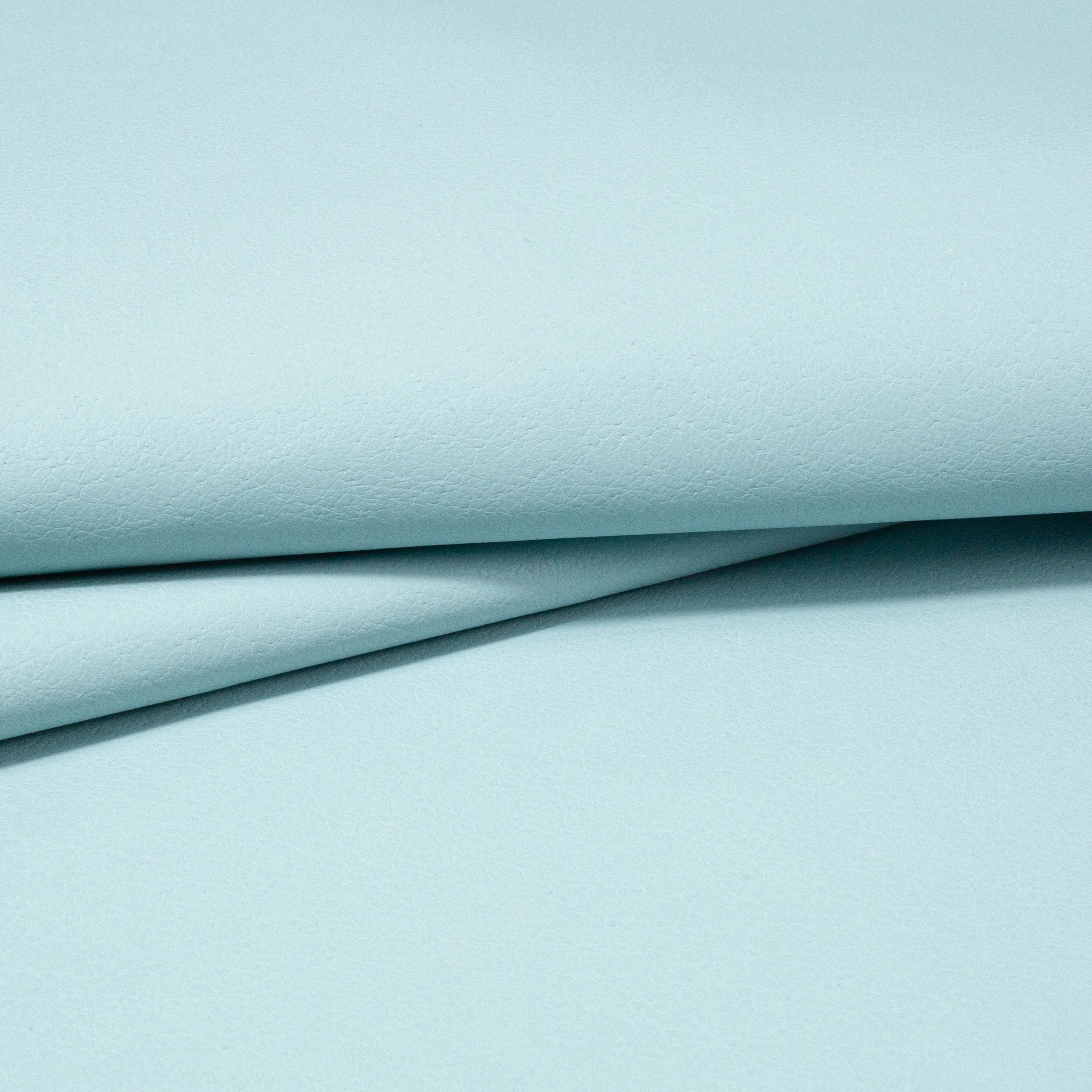
The Global Shift Toward Sustainable Material Innovation
The leather industry is currently undergoing a profound metamorphosis that reshapes the intersection of luxury, utility, and ethics. For decades, the global reliance on conventional animal-based hides and energy-intensive synthetic polymers has dictated the limitations of fashion, automotive, and furniture manufacturing. Today, a new wave of eco-friendly materials is redefining the standard for high-quality craftsmanship. Industry leaders are no longer forced to choose between exquisite aesthetics and rigorous ethical standards; instead, they are leveraging advanced material science to bridge this gap. By integrating plant-based composites, recycled fibers, and lab-grown alternatives into production cycles, designers are discovering that these modern materials offer not just environmental benefits, but superior physical consistency, innovative texture profiles, and creative versatility. This transition is not merely a fleeting trend in a crowded marketplace; it is a fundamental, structural change in how durable goods are conceptualized, sourced, and brought to life for the modern consumer.
The Technological Breakthrough of Bio-Based Alternatives
At the very forefront of this industrial transformation are materials derived from unconventional, regenerative sources such as mycelium (mushroom root structures), cactus fibers, and agricultural waste by-products. Unlike traditional tanning processes that often rely heavily on caustic heavy metals like chromium—which frequently lead to significant water pollution and soil degradation—many modern bio-based leathers are manufactured using closed-loop systems that prioritize resource efficiency. Take, for instance, the rapid adoption of cactus leather. It is derived from the mature leaves of the prickly pear, a hardy plant that thrives in arid climates with minimal water requirements and zero need for fertilizers. This process respects the natural life cycle of the plant, allowing it to regenerate without the depletion of local ecosystems. Similarly, mycelium-based materials offer a carbon-neutral alternative that mimics the structural protein networks found in animal hide. This resulting material provides a sophisticated tactile experience that satisfies the most discerning luxury consumers while maintaining the structural integrity required for high-performance applications.
Assessing Durability and Manufacturing Efficacy
A persistent and common misconception within the leather crafting industry is the notion that eco-friendly alternatives must inevitably compromise on durability or longevity. However, extensive real-world applications and stress-testing protocols have consistently proven otherwise. Through rigorous material science testing, it is clear that high-end bio-based composites perform exceptionally well under varying levels of mechanical stress, moisture exposure, and long-term daily wear. From a manufacturing perspective, these innovative materials provide a distinct competitive advantage in terms of yield efficiency and waste reduction. Traditional animal hides are inherently irregular, often featuring scars, grain inconsistencies, or uneven thickness, which leads to significant material waste during the cutting and pattern-layout process. In sharp contrast, bio-engineered materials offer a highly consistent, uniform sheet structure. This allows for precise, mathematically optimized pattern layouts that dramatically reduce material scrap. This inherent efficiency reduces overall operational costs and streamlines the production line, proving that green technology is as practical and profitable for a manufacturer's bottom line as it is beneficial for the environment.
The Business Case for a Greener Supply Chain
Adopting sustainable materials is rapidly becoming a non-negotiable competitive advantage for forward-thinking brands. With shifting global regulatory frameworks and increasing pressure from climate-conscious consumers, companies that prioritize transparency, traceability, and low-carbon sourcing are capturing a significantly larger share of the international market. Integrating these innovative, eco-friendly materials into a product line does more than simply improve a corporate environmental impact report; it signals to potential partners, investors, and loyal customers alike that a company is prepared for the transition toward a circular economy. When brands invest in renewable, earth-friendly resources, they effectively mitigate the volatility associated with traditional commodity prices and build long-term resilience against future regulatory changes regarding chemical usage and industrial waste disposal. This strategic shift is essentially an investment in brand longevity and market relevance in an increasingly discerning global economy.
Elevating Production with GREENCYCLE
Successfully transitioning to a sustainable material strategy requires much more than just identifying the right fabric; it necessitates a sophisticated, highly capable supply chain partner that deeply understands the technical nuances of material procurement, testing, and manufacturing integration. GREENCYCLE serves as a critical bridge for businesses looking to navigate this complex shift seamlessly and effectively. With deep technical expertise in material science and a robust, transparent network dedicated to sustainable innovation, GREENCYCLE ensures that every material sourced meets the highest global benchmarks for quality, durability, and environmental compliance. By offering comprehensive, end-to-end supply chain solutions that prioritize production consistency, scalability, and ethical sourcing, GREENCYCLE empowers manufacturers to focus on their core creative missions while confidently meeting the surging global demand for sustainable, high-quality products.
Looking Toward the Future of Leather Crafting
The future of leather crafting is undeniably linked to the ability of the industry to innovate beyond traditional, finite boundaries. As material science continues to evolve at an exponential rate, the traditional distinction between high-performance conventional leather and cutting-edge bio-materials will continue to blur. The commitment to integrating eco-friendly materials today prepares the necessary foundation for a more sustainable, profitable, and prosperous industrial landscape tomorrow. Embracing this change allows designers, manufacturers, and international brands to lead with integrity and foresight. By partnering with dedicated experts like GREENCYCLE, the industry can confidently move toward a future where luxury, technical excellence, and environmental responsibility coexist seamlessly, ensuring that the legacy of quality craftsmanship is preserved and enhanced for many generations to come.