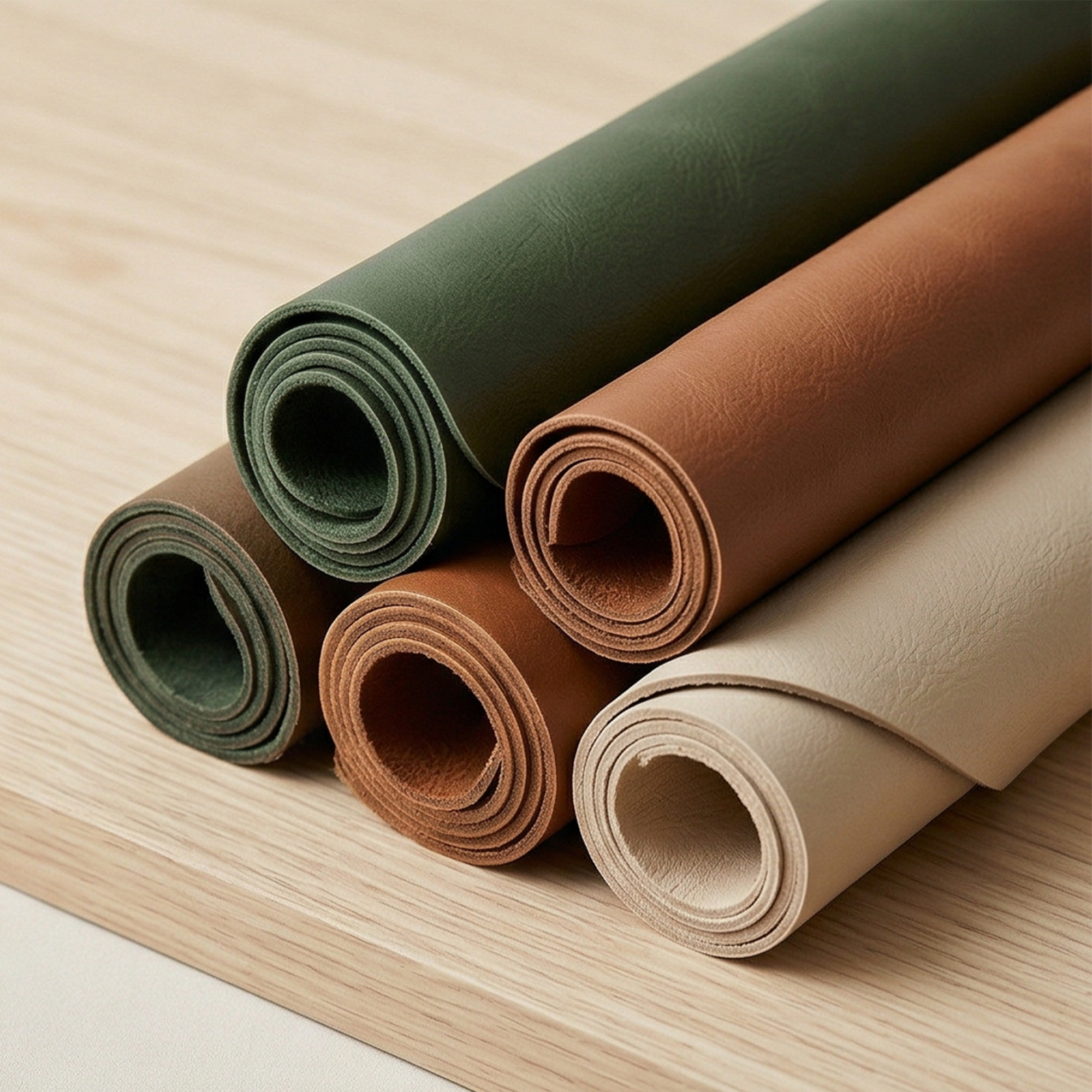
The Evolving Landscape of Material Sourcing
In today’s rapidly shifting global markets, the conversation around material sourcing has moved far beyond simple aesthetics or initial costs. Brands are no longer just looking for textures that mimic natural materials; they are actively seeking strategic leather suppliers who provide consistency, scalability, and deep ethical transparency. Choosing the right source has become a critical strategic decision that dictates whether a product line meets the rigorous, evolving demands of modern, eco-conscious consumers. As global supply chains face increased scrutiny regarding environmental footprints and material integrity, the role of professional leather suppliers has evolved from mere transaction providers into fundamental architects of long-term product success. This shift necessitates a move away from fragmented procurement toward building cohesive, data-driven partnerships.
Technical Excellence as a Performance Benchmark
When evaluating potential partners, the primary metric must always be technical consistency. High-quality bio-based or synthetic materials should undergo rigorous, standardized testing for durability, tear strength, hydrolysis resistance, and chemical safety. Professional leather suppliers now utilize molecular-level engineering to ensure that alternative materials mimic the natural grain, soft hand-feel, and long-term longevity of traditional hides. By leveraging advanced precision manufacturing technologies—such as specialized polymer coating and high-frequency laminating techniques—reliable leather suppliers ensure that every single batch meets the same color fastness and physical performance requirements. This level of meticulous technical oversight is essential, as it mitigates the high risks of product failure and ensures that brand reputation remains unblemished in the hands of the end-user. Without such rigid technical standards, a brand risks the costly reality of widespread returns and the irreversible loss of consumer confidence.
Unlocking Business Value Through Supply Chain Synergy
The business value of working with elite leather suppliers goes well beyond the price-per-yard. A true industry partner understands the nuanced complexities of the production cycle and integrates seamlessly into the brand’s roadmap. Effective collaboration means that these suppliers manage potential supply chain bottlenecks—such as unexpected raw material shortages or shipping delays—well before they impact the manufacturing timeline. By aligning production schedules with seasonal product launches, professional leather suppliers provide the agility required to respond to sudden, volatile shifts in market trends. When a supplier operates as a direct extension of an internal R&D team, a brand gains a massive competitive edge, significantly reducing time-to-market while maintaining the high quality expected by global customers. This synergy allows for "just-in-time" delivery, which drastically reduces overhead costs related to warehousing and inventory management.
Real-World Applications and Industry Insights
Consider the massive transition of the luxury and mass-market sectors toward high-performance, sustainable surfaces. From automotive interiors and executive office furniture to high-end mobile accessories, the demand for sophisticated, durable, and sustainable surfaces is at an all-time high. Industry data consistently shows that brands utilizing traceable, high-quality materials from established leather suppliers see significantly higher customer retention rates. For instance, when manufacturers adopt bio-based alternatives that match or exceed the mechanical performance of traditional materials, they effectively avoid the common pitfalls of early-stage material degradation. This real-world experience demonstrates that professional leather suppliers are not just vendors; they are essential contributors to the technical success of the finished product. Expert suppliers provide the necessary technical data sheets, life cycle assessments, and application guidance that help designers make informed, sustainable decisions.
Key Indicators for Evaluating Long-Term Partners
Trust in a supplier is built on transparency and verifiable data. When searching for reliable leather suppliers, look for certifications that validate their manufacturing processes, such as ISO certifications for quality management, comprehensive environmental impact reports, or independent third-party material testing results. It is equally important to examine their commitment to continuous innovation. A company that invests heavily in its own internal laboratories and pilot manufacturing facilities is far more likely to help a brand scale effectively as demand grows. Ask about their historical track record in working with diverse requirements—from luxury fashion houses requiring bespoke textures to automotive OEMs demanding extreme fire-retardant properties—to ensure they possess the versatility to adapt to evolving project needs. A transparent partner will always be willing to share their manufacturing methodology and quality assurance protocols.
Building the Future with Green Cycle
At the heart of any successful product is the reliability and technical integrity of its manufacturing ecosystem. Strategic collaborations act as the true catalyst for innovation, turning raw ideas into tangible, market-ready products that redefine industry standards. Green Cycle has dedicated years to mastering the complexities of advanced material engineering and supply chain management, offering comprehensive, end-to-end manufacturing solutions that prioritize precision, durability, and scalable performance. By partnering with a firm like Green Cycle, brands can navigate the complex challenges of modern production with absolute confidence. Investing in the right manufacturing expertise is the surest way to secure a position as a forward-thinking leader in the global market, ensuring that every product delivered meets the highest possible quality benchmark and consumer expectations.