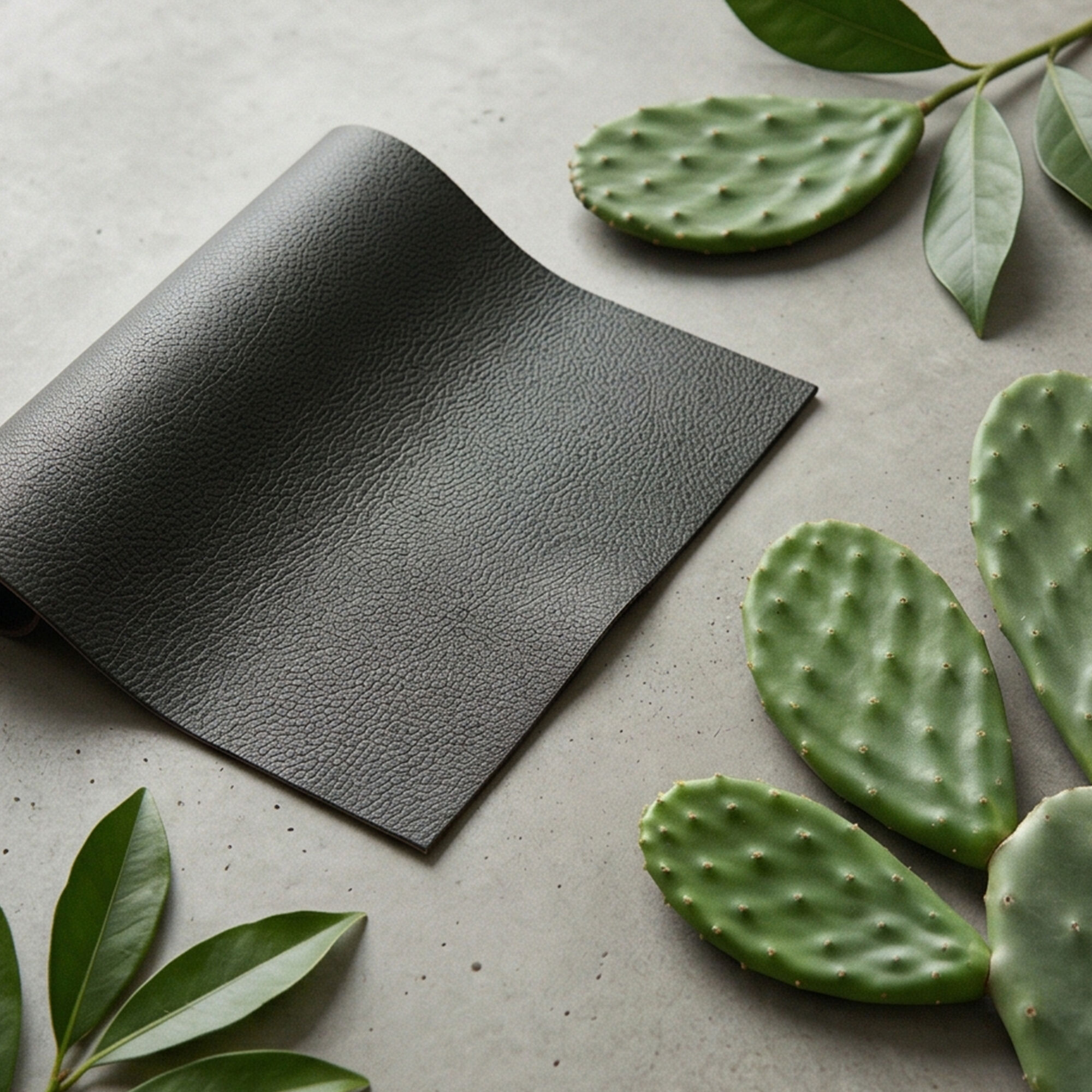
Lifecycle Cost Efficiency of Cork Vegan Leather
Upfront Investment vs. Long-Term Savings from Durability and Low Maintenance
Cork vegan leather typically commands a higher upfront price than petroleum-based alternatives such as PU or PVC—roughly 15–20% more for mid-market items like handbags or laptop cases. Yet its total cost of ownership is consistently lower, thanks to exceptional durability and near-zero maintenance requirements. Naturally resistant to water, scratches, and stains, cork eliminates the need for protective coatings or specialized cleaning products. Unlike synthetics that crack or peel within two to three years of moderate use, cork retains structural integrity for five to seven years or longer. Its lightweight nature further reduces shipping costs and eases handling in manufacturing. Simple wiping with a damp cloth restores the surface—no solvents, conditioners, or storage protocols required. For brands, this durability slashes replacement cycles, cutting labor, logistics, and material expenses tied to frequent product turnover. The initial premium is typically recouped within the first replacement cycle, delivering both economic advantage and a stronger consumer value proposition rooted in longevity.
ROI Validation: Premium Pricing Justified by Reduced Replacement Cycles in Mid-Market Applications
In mid-market segments—including commercial furniture, travel accessories, and branded corporate gifts—the higher unit cost of cork vegan leather is validated by measurable ROI. A synthetic leather chair seat may require replacement every 18–24 months under daily use, whereas a cork seat endures three to four years without degradation. Even with a 30% higher initial cost per unit, total expenditure over four years favors cork by approximately 20%, factoring in reupholstery labor, downtime, and disposal. For a product line producing 10,000 units annually, these savings translate into tens of thousands of dollars. Beyond direct cost avoidance, cork’s natural aesthetic and graceful aging patina support premium pricing—often 25–40% above comparable PU items—without eroding margins. Consumers perceive cork as both sustainable and durable, enabling brands to absorb higher material costs while strengthening perceived value. Fewer warranty claims and returns due to cracking or peeling further reinforce profitability. When B2B buyers evaluate total cost of ownership—not just sticker price—cork emerges as a strategic investment that delivers financial returns and advances sustainability goals.
Supply Chain Realities and Unit Economics for Scalable Adoption
Sourcing Constraints: Geographic Concentration in Southwest Europe and Mitigation Strategies
Over 50% of the world’s cork comes from sustainably managed forests in Portugal and Spain—a geographic concentration that introduces supply chain considerations around climate variability and seasonal harvest logistics. However, these risks are actively mitigated through multi-year contracts with certified cooperatives, diversification across smaller regional producers, and supplier development programs that improve upstream processing efficiency. Such strategies convert potential vulnerability into a predictable, stable sourcing model—particularly valuable for brands committed to long-term material consistency and ethical traceability.
Price Stability Comparison: Cork Vegan Leather vs. PU/PVC Alternatives in Contract Negotiations
Unlike PU and PVC—whose prices fluctuate with oil markets—cork vegan leather offers superior long-term price stability, making it especially advantageous for multi-year B2B contracts. While initial per-square-meter costs may be 15–20% higher than entry-level synthetics, cork’s independence from fossil fuel volatility shields procurement teams from mid-contract surcharges triggered by petrochemical index shifts. This predictability enables accurate forecasting for seasonal collections or extended furniture lines. In negotiations, cork’s stability functions as cost-avoidance: eliminating renegotiation clauses tied to oil indexes provides tangible financial security over contract lifespans exceeding 18 months.
Production Advantages That Lower Operational Costs
Lightweight, Dimensional Stability, and Processing Efficiency in High-Volume Manufacturing
Cork vegan leather weighs approximately 30% less than conventional vegan leathers of comparable thickness—reducing freight expenses and easing manual handling on production lines. Its dimensional stability—minimal stretching or warping under tension or temperature variation—ensures consistent performance in automated die-cutting, embossing, and assembly systems. This reliability cuts recalibration downtime and lowers recut and rework rates, particularly in high-volume applications like footwear or automotive interiors. The material’s natural cellular structure also requires less energy during cutting and texturing, reducing electricity consumption per unit. Collectively, these attributes lower operational costs without compromising output quality or throughput.
Yield Optimization: Reduced Waste and Higher Cutting Efficiency vs. Conventional Vegan Leathers
Cork vegan leather maintains a tight, uniform grain structure that resists deformation under heat or tension—enabling tighter nesting of patterns during cutting. Manufacturers report yield rates above 90%, compared to 75–85% for standard PU or PVC leathers. This higher usable area per roll reduces raw material spend by up to 15% and significantly decreases scrap volume. Fewer defective parts mean lower rework labor, reduced inspection overhead, and improved sustainability metrics—factors increasingly weighted in procurement decisions. Over large production runs, these gains compound into meaningful cost savings and enhanced environmental accountability.
Sustainability as a Strategic Cost-Avoidance Driver
Sustainability is no longer just an ethical imperative—it’s a core lever for cost containment in commercial procurement. Leading manufacturers using cork vegan leather proactively mitigate financial exposure tied to regulatory non-compliance, carbon taxation, and rising waste disposal fees. Cork’s renewability—harvested from the bark of living Quercus suber trees without felling—delivers quantifiable cost avoidance: reduced emissions tracking burdens, lower Scope 3 reporting complexity for downstream buyers, and diminished risk of future resource-based levies. A 2023 analysis found companies facing over $740,000 in average penalties for ESG reporting failures, underscoring the real-world cost of inaction. By embedding cork into material strategy, brands transform environmental responsibility from a cost center into a resilience driver—positioning the material not as an alternative, but as a forward-looking safeguard against escalating sustainability-linked operational expenditures.
FAQ
Why does cork vegan leather have a higher upfront cost?
Cork vegan leather has a higher upfront cost due to its unique processing and sourcing from sustainable forests in Portugal and Spain. However, its durability and low maintenance help offset these costs in the long term.
How long does cork vegan leather last compared to synthetic alternatives?
Cork vegan leather typically retains its integrity for five to seven years, which is significantly longer than most synthetic options that crack or peel within two to three years under moderate use.
What makes cork vegan leather a sustainable material?
Cork is harvested from living Quercus suber trees without the need for felling, making it a renewable resource. Using cork also reduces carbon footprint, waste disposal needs, and financial exposure to sustainability-related regulations.
How does cork compare to PU/PVC in terms of price stability?
Cork offers long-term price stability as it is independent of oil market fluctuations, unlike PU and PVC, which can experience volatile pricing tied to petrochemical indexes.
Can cork help reduce operational costs for manufacturers?
Yes, cork's lightweight nature, dimensional stability, and higher cutting efficiency reduce freight expenses, recalibration downtime, and material waste, making it cost-effective for manufacturers.
Table of Contents
- Lifecycle Cost Efficiency of Cork Vegan Leather
- Supply Chain Realities and Unit Economics for Scalable Adoption
- Production Advantages That Lower Operational Costs
- Sustainability as a Strategic Cost-Avoidance Driver
-
FAQ
- Why does cork vegan leather have a higher upfront cost?
- How long does cork vegan leather last compared to synthetic alternatives?
- What makes cork vegan leather a sustainable material?
- How does cork compare to PU/PVC in terms of price stability?
- Can cork help reduce operational costs for manufacturers?