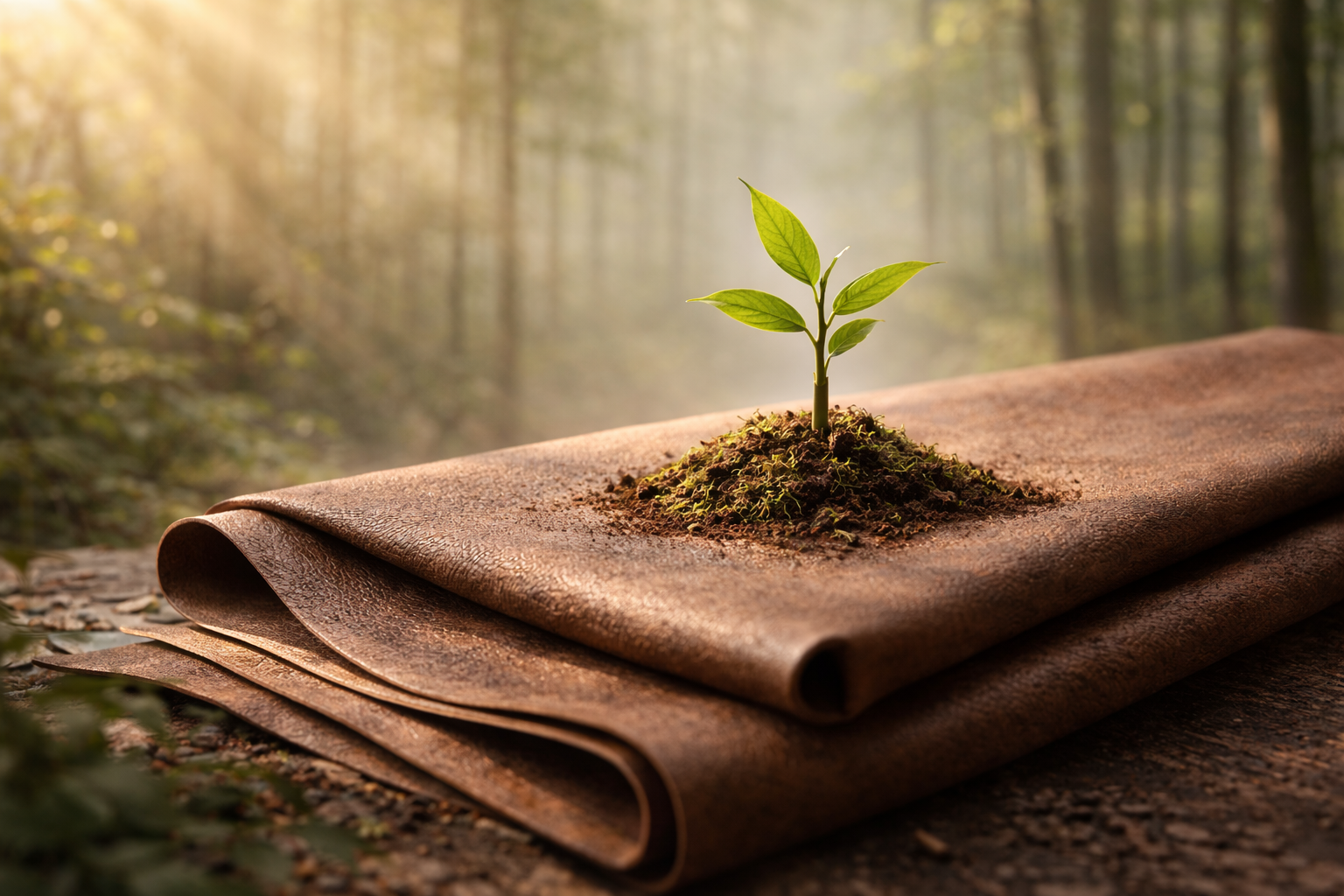
Cork Vegan Leather Sustainability: Renewable, Carbon-Neutral, and Circular
Ethical Bark Harvesting and Cork Oak Forest Conservation
The process of making cork vegan leather starts with what's called regenerative harvesting from cork oak trees. Artisans who have been doing this for generations know exactly how to take the bark off without hurting the tree itself. What makes this method so special is that the tree grows back its bark completely in about nine to ten years. Plus, this traditional approach actually helps maintain healthy forests throughout the Mediterranean region. When we compare it to other materials that contribute to deforestation, cork harvesting does something different. Instead of destroying habitats, it supports them. Think about endangered animals like the Iberian lynx that depend on these forests. The land where cork trees grow covers around 6.6 million acres, and these areas are incredibly important because they act as massive carbon storage systems. These forests play a crucial role in stopping desertification, which means they're fighting back against one of the biggest environmental threats facing our planet today.
Carbon Sequestration, Biodiversity, and Zero-Waste Lifecycle
Cork oak forests take in around 14 million tons of CO2 each year. What's even more impressive? When we harvest cork from these trees, each single ton actually holds onto about 73 tons of carbon dioxide for good. That makes cork one of the few materials out there that actually removes carbon from the atmosphere over time. The whole process works in circles too. Making cork products only needs steam and pressure, no chemicals at all. Leftover bits get turned into things like insulation materials or composite panels. And when cork products reach the end of their life, they break down naturally in just a few months. Petroleum based products tell a different story though. They leave behind those annoying microplastics that stick around forever. Meanwhile, cork forests support biodiversity with over 200 different plant species growing in just one hectare. These ecosystems need very little water to survive, which is why they do so well in areas where droughts are common.
Performance Advantages of Cork Vegan Leather Over Conventional Alternatives
Durability, Flexibility, and Abrasion Resistance vs. PU, PVC, and Real Leather
What makes cork vegan leather so tough? Its natural honeycomb structure gives it amazing resistance to creases and wear compared to PU, PVC, or even genuine leather. Research from The Textile Institute shows something interesting too. After testing for 10,000 abrasion cycles, cork still held onto about 90% of its original strength. Real leather managed only 78%, while most synthetics start showing signs of failure way before reaching 5,000 cycles. Products made with this material simply last longer in the long run. Fewer replacements mean less stuff ending up in landfills, which is good news for everyone concerned about sustainability.
| Material | Flex Cycles Before Failure | Abrasion Resistance Score |
|---|---|---|
| Cork Vegan Leather | 40,000+ | 9.2/10 |
| Real Leather | 25,000 | 7.8/10 |
| PU/PVC Synthetics | 15,000 | 6.1/10 |
Natural Water Resistance, Thermal Regulation, and Long-Term Texture Integrity
The reason cork resists water so well is because it contains suberin, which is basically a waxy substance found in the cell walls. This means there's no need for those chemical treatments that regular leather requires. The protective qualities last for many years without any cracks forming. At the same time, cork has this unique structure with lots of tiny holes that let air through while still regulating temperature naturally. When temperatures change, cork just adapts right along with them. According to some aging tests, cork keeps about 98% of its softness even after sitting around for five years. That's way better than old PU materials getting stiff or genuine leather turning brittle over time. So whether someone touches it today or five years from now, cork maintains both its feel and looks pretty much exactly the same.
Cork Vegan Leather Ethics: Cruelty-Free Certification and Transparent Supply Chains
Cork based vegan leather has been certified as cruelty free through several major programs like PETA Approved Vegan and Leaping Bunny. These certifications make sure no animals are tested on during any part of production and that everything used comes from ethical sources. The top certification standards actually require companies to let outside auditors check their entire supply chain. They also need digital tracking systems so every step can be traced back. Independent groups like NSF International regularly verify that companies stay compliant over time. All this strict monitoring means customers can look up exactly where materials came from, how they were processed, and what working conditions looked like throughout production. Cork really does stand out compared to other materials because environmental care, concern for animals, and respect for workers aren't just marketing buzzwords here—they're built right into the way cork products are made.
2026 Market Momentum: High-Demand Applications in Fashion and Accessories
Innovative Cork Blends, Technical Finishes, and Scalable Production for Brands
Cork based vegan leather is getting better all the time as manufacturers experiment with mixing ground cork particles into bio polymer blends. These combinations help create materials that bend and flow more naturally while still holding their shape under stress. Recent developments in surface treatments have added antimicrobial properties plus protection against UV damage, making these materials suitable for items people touch frequently such as wallet covers and strap bands for watches. The industry has also made progress on scaling up production methods using water based adhesives instead of traditional chemical processes. According to Sustainable Textile Review from 2025, this switch cuts down energy consumption around forty percent which makes manufacturing costs more competitive with regular leather options. Many fashion brands already incorporate these materials into about three quarters of their handbag lines, and we're seeing them appear more often in shoes and luggage too, all without hurting profit margins or sacrificing ethical standards in supply chains.
Consumer Adoption Trends and Retailer Partnerships Driving Mainstream Use
More than two thirds of shoppers consider environmental impact when buying accessories these days, which has definitely pushed sustainable products into mainstream stores. Big retailers like Nordstrom and Macy's recently set up special sections just for eco-friendly accessories, including some really cool cork based collections made by companies that follow strict sustainability standards. People are also searching online for vegan cork bags at twice the rate they did last year, showing how serious many consumers are about their purchases. When designers work closely with material experts, they can actually get consistent supplies ready for each season while shoppers rely on those little green labels to know what's truly ethical. Looking ahead, it seems pretty likely that cork will replace traditional leather as the go to material for things like belt straps, watchbands, and high end luggage within the next few years.
FAQ
What is cork vegan leather?
Cork vegan leather is a sustainable, cruelty-free alternative to leather made from cork oak trees through regenerative harvesting.
How is cork vegan leather different from traditional leather?
Cork vegan leather offers better durability, flexibility, and water resistance without the need for harmful chemical treatments.
Why is cork vegan leather considered environmentally friendly?
It is renewable, helps in carbon sequestration, supports biodiversity, and has a zero-waste lifecycle.
Is cork vegan leather certified cruelty-free?
Yes, cork vegan leather has received certifications from major programs like PETA Approved Vegan and Leaping Bunny.
Table of Contents
- Cork Vegan Leather Sustainability: Renewable, Carbon-Neutral, and Circular
- Performance Advantages of Cork Vegan Leather Over Conventional Alternatives
- Cork Vegan Leather Ethics: Cruelty-Free Certification and Transparent Supply Chains
- 2026 Market Momentum: High-Demand Applications in Fashion and Accessories
- FAQ