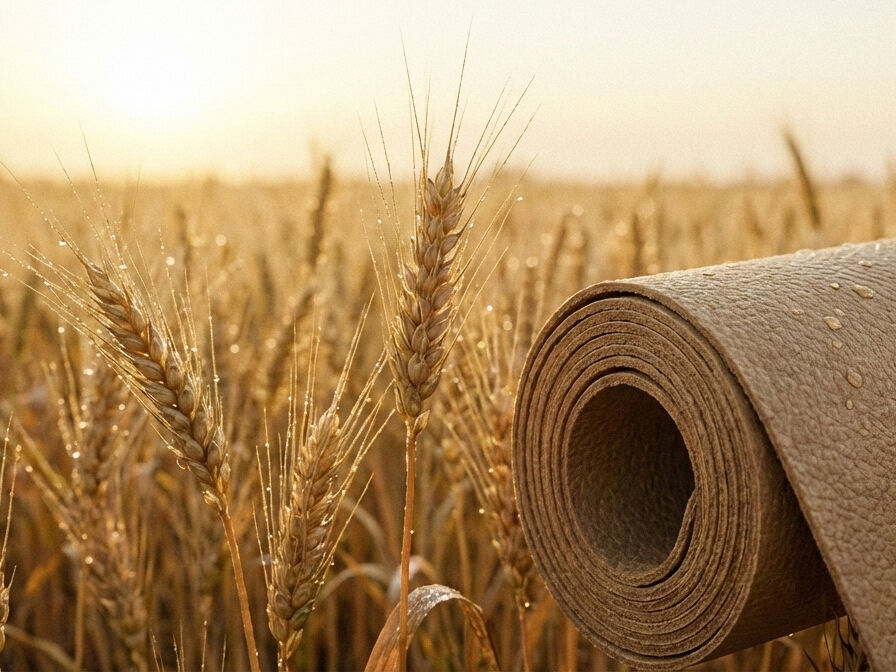
Environmental Impact of Core Leather Materials
Water use, CO₂ emissions, and waste generation: Animal, bio-based, and synthetic leathers compared
Making animal leather takes a huge toll on resources. For every kilogram produced, it can consume thousands of liters of water. Most of the carbon dioxide comes from raising livestock and the energy hungry tanning process. There's also a lot of solid waste generated like leftover trimmings and toxic chromium sludge. Studies show that plant based alternatives like cactus, pineapple and apple leather can slash water usage by around 80 to 90 percent compared to traditional leather, while cutting greenhouse gases by about 60 to 85 percent according to research published by the Ellen MacArthur Foundation last year. Synthetic options don't produce methane from animals but have traditionally used petrochemicals and solvent coatings which lead to microplastics in our environment and keep us dependent on fossil fuels. However newer materials combine solvent free polyurethane with biodegradable polymers. These are certified through standard environmental assessment methods and cut energy needs by roughly 40 percent. They also stop harmful volatile organic compounds from being released during production. This makes the environmental difference between natural plant based leathers and these improved synthetic versions much smaller than before.
Toxicity and chemical load: Chromium tanning versus solvent-free bio-fabrication
More than 80% of all animal leather produced worldwide comes from chromium tanning processes, which account for almost 40% of the industry's harmful waste output. These methods release cancer-causing Cr(VI) compounds into our water systems and soil, something both the US Environmental Protection Agency and European Chemicals Agency have clearly flagged as dangerous. New bio fabrication techniques now offer alternatives that swap out these dangerous chemicals for safer options like water based adhesives, enzyme treatments, and plant based materials made from leftover agricultural products. According to research published last year in the Journal of Cleaner Production, these newer approaches cut freshwater toxicity risks by around 95%. They also protect workers from coming into contact with heavy metals and chemical solvents during production. What makes them even better is how they fit into circular economy principles. Traditional chrome treated leather can sit in landfills for hundreds of years before breaking down, but bio fabricated versions are specifically engineered to either compost industrially or get mechanically recycled, making them much more compatible with the goals set forth in the European Union's Circular Economy Action Plan.
Plant-Based Eco Friendly Materials: Performance, Scalability, and Trade-Offs
Piñatex, cactus (Desserto), and apple leather: Feedstock origins, biodegradability, and real-world durability
Piñatex makes use of pineapple leaf fibers, which are basically waste products from regular harvesting operations. For every ton of these leaves collected, manufacturers can produce around 26 square meters of material per year according to Ananas Anam's 2023 report. Then there's Desserto's cactus leather that actually thrives on poor quality desert land while needing about 93 percent less water than traditional cattle grazing areas. Plus it helps rebuild degraded soils over time. Apple leather comes from leftover pulp and peels after fruit processing, diverting roughly 1.2 million tons worth of organic waste worldwide annually as stated by FAO in their 2023 findings. While all these alternatives break down industrially, they do so at different rates. Piñatex loses about 90% of its mass within 5 to 6 months, Desserto disappears completely after 4 to 5 months, but apple leather needs some extra steps since it contains mixed materials that must be separated before full decomposition occurs.
The durability really depends on what it's being used for. Desserto can handle over 50,000 Martindale abrasion tests, which puts it right up there with regular cow leather in the middle price range. Piñatex has similar strength to standard cowhide around 8 to 10 ounces but requires an extra layer if we want it to stand up against water damage. Apple leather is super flexible and comfortable to work with, though it breaks down about 17 percent quicker when exposed to sunlight compared to those backed with polyurethane materials. When looking at how much we can actually produce, feedstock availability plays a big role. Cacti need almost a full year and a half before they're ready for harvesting, so production gets limited each season. Pineapple leaves come from annual harvests, making them more predictable. And apple waste? That stuff is constantly flowing through juice factories worldwide throughout the entire year, giving manufacturers consistent access to raw material.
Mycelium Leather: Advancing Beyond Lab Scale with Eco Friendly Materials
Growth efficiency, land-use footprint, and commercial readiness of Mylo and next-gen fungal leathers
Mycelium leather shows just how efficient resources can be used. Compared to regular cow leather, it needs almost nothing in terms of water consumption, saving around 99%. What's even better? This material grows upwards in special reactors over about two weeks instead of taking years to mature like animals do. Plus, it turns stuff nobody wants from farms, like leftover wood chips or corn stalks, into something really useful. No need for pastures at all means we save roughly 90% of the land typically needed for raising cattle for leather, which also cuts down on those nasty deforestation problems that plague traditional leather suppliers. Companies scaling up production rely on these closed loop systems where they carefully manage nutrients, keep track of acidity levels, and maintain proper mycelium density throughout growth cycles. This careful approach ensures each batch comes out with similar thickness, texture, and strength characteristics every time.
The production numbers are really taking off these days. Companies such as Bolt Threads and Ecovative have ramped up their output to around 1.5 million square feet each year, which actually covers enough material for several major brand footwear collections. Tests show that this fungal leather can handle over 20,000 bends before showing any cracks, and it meets those tough ASTM D2268 requirements typically needed for high-end accessories. Biodegradation remains somewhat conditional depending on how they finish the product, but most top tier manufacturers are getting their PAS 2060 carbon neutral certifications sorted out now. At Technology Readiness Level 7, where prototypes work in real world conditions, mycelium based leather is moving beyond just small scale experiments. We're seeing serious long term agreements forming between car manufacturers and international fashion labels, marking a significant shift in the industry landscape.
Choosing the Right Eco Friendly Material: A Decision Framework for B2B Buyers
Selecting sustainable alternatives requires balancing verified environmental impact with functional performance. B2B buyers should evaluate options across five interdependent dimensions:
-
Life Cycle Assessment (LCA) Data: Prioritize third-party-verified LCAs aligned with ISO 14040/44. For example, cactus leather reduces water use by 35% versus animal leather (Desserto LCA, 2022), while mycelium eliminates chromium-related toxicity entirely—critical for compliance with EU REACH Annex XIV restrictions.
-
Technical Specifications: Match intrinsic properties to end-use demands. Cactus leather’s abrasion resistance suits upholstery and footwear; Piñatex’s texture and drape excel in accessories but require hydrophobic laminates for outdoor applications; mycelium offers balanced tensile strength and breathability ideal for premium apparel.
-
Supply Chain Transparency: Require traceable feedstock documentation and certifications such as Cradle to Cradle Certified™ Bronze or higher, FSC-recycled content verification, and SMETA or SA8000 social audits. Avoid suppliers that disclose only partial environmental data or rely solely on self-declared claims.
-
End-of-Life Viability: Confirm disposal pathways—industrial compostability (EN 13432), mechanical recyclability, or mono-material design—rather than vague “biodegradable” labels. Apple and Piñatex leathers decompose fully in certified facilities; solvent-free synthetics may be mechanically recyclable but lack standardized collection infrastructure.
-
Regulatory Alignment: Proactively assess compatibility with upcoming mandates, including the EU Ecodesign for Sustainable Products Regulation (ESPR), which will enforce strict chemical thresholds, durability labeling, and digital product passports starting in 2027. Early integration of compliant materials reduces redesign risk and supports ESG reporting under CSRD requirements.
Forward-thinking manufacturers embed this framework at the R&D stage—not as a procurement checklist, but as a design constraint—ensuring sustainability drives innovation rather than follows it.
FAQ
What are the key benefits of plant-based leather alternatives?
Plant-based leathers such as cactus, pineapple, and apple leather significantly reduce water consumption and greenhouse gas emissions compared to traditional leather. They are also biodegradable and can contribute to rebuilding degraded soils.
How do mycelium leathers compare with traditional leather in terms of resource efficiency?
Mycelium leather requires significantly less water and land compared to traditional leather and utilizes waste materials like wood chips for growth, reducing deforestation impacts.
What criteria should B2B buyers consider when selecting eco friendly materials?
B2B buyers should consider life cycle assessment data, technical specifications, supply chain transparency, end-of-life viability, and regulatory alignment when selecting sustainable materials.